
The credit-card minimum-payment trap and how to get out
Find out why paying every month can leave a balance barely moving, how to read the payoff box, and what to change before your next statement.

Answers to everyday questions about housing, income, debt, wealth, and family finances.
Find out why paying every month can leave a balance barely moving, how to read the payoff box, and what to change before your next statement.

Repayment choices have changed. Compare the payment you can sustain, the long-term cost, and the protections you would keep or give up.
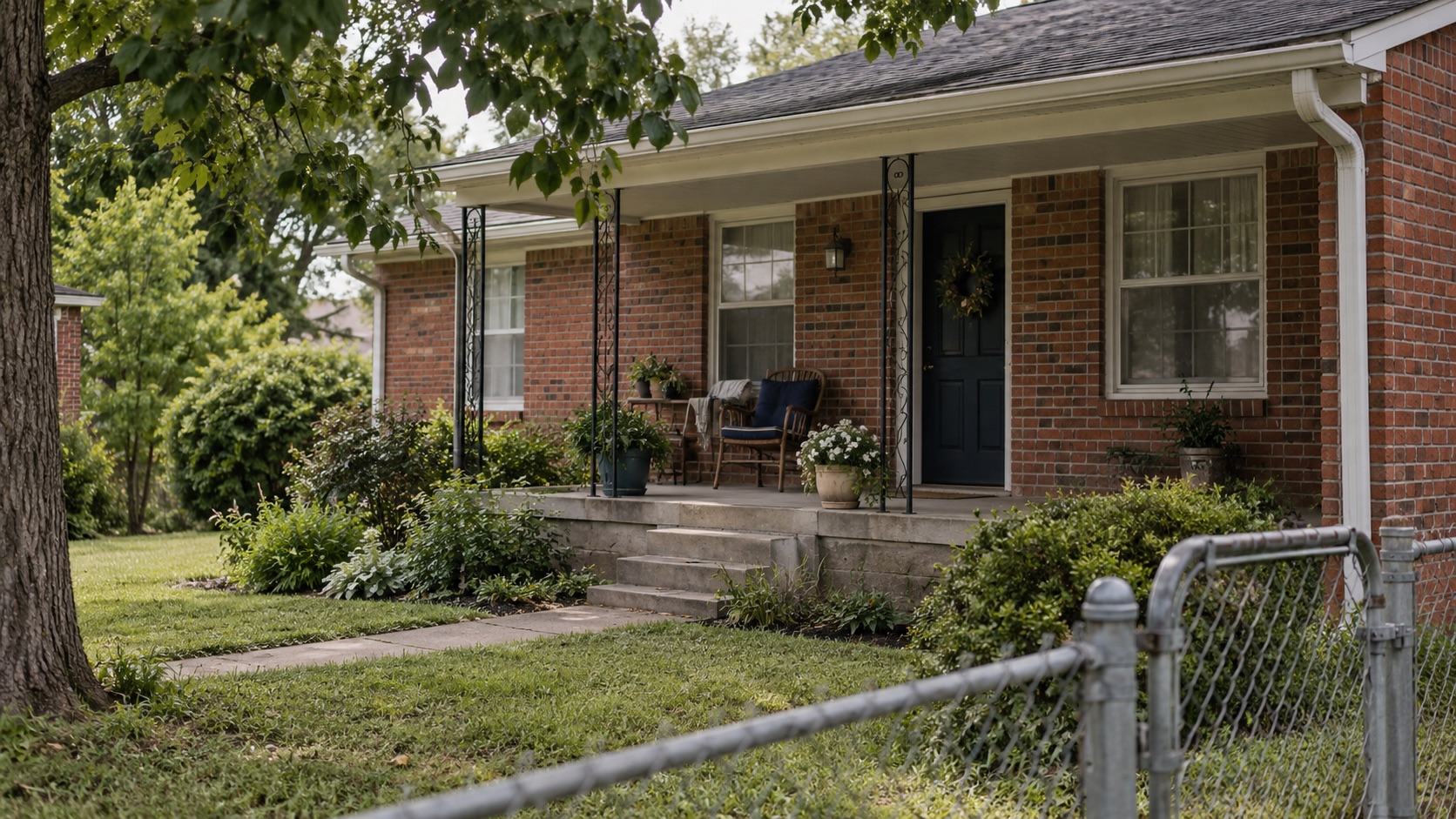
A lower rate can come with a larger risk: turning card balances into debt secured by your home. Compare the whole transaction before taking it on.

Compare total repayment, fees, promotional deadlines, and the risk of running balances back up before taking a consolidation offer.

A house deposit, an emergency reserve, and retirement money do not have the same deadline. Match the money to its purpose before comparing returns.

Build a purchase target, protect money for setbacks, and choose a realistic savings pace instead of treating every account balance as down-payment cash.

Rent is not the only nonrecoverable housing expense. Compare interest, taxes, insurance, upkeep, transaction costs, and flexibility before deciding.

Turn the retirement question into a monthly spending plan. Identify dependable income, the gap savings must cover, and the risks a single account target misses.

Weigh interest savings against emergency reserves, higher-cost debt, upcoming expenses, and the cash you cannot easily get back from home equity.

Agree on contributions, savings goals, costs, privacy, and a review date so living together supports both generations instead of creating an open-ended financial strain.

Keep the useful principles (spend deliberately, manage debt, build reserves) while checking the prices, rates, benefits, and circumstances behind old rules.

A home can be both a place to live and your largest financial asset. Examine the concentration without assuming you need to sell it.