When a positive inflation rate falls, prices are still rising, only more slowly. An encouraging inflation headline can arrive alongside an expensive grocery trip, because the rate describes change while your budget pays the price level already reached.
A smaller increase still builds on the earlier increase
If a hypothetical $100 grocery basket rises 10%, it costs $110. If the next year’s increase is only 2%, it costs $112.20.
| Stage | Assumed change | Basket cost |
|---|---|---|
| Starting point | n/a | $100.00 |
| First year | +10% | $110.00 |
| Second year | +2% | $112.20 |
Inflation slowed in this example, but the basket became more expensive. Returning from $112.20 to $100 would require a price decline of about 10.9%.
Check which change the headline reports
Each monthly BLS CPI release reports both the change over the month and the change over the last 12 months. In the August 2026 report, released September 11, 2026, the food at home index was unchanged from July and 2.2 percent higher than a year earlier, while food away from home rose 3.4 percent over the year. An unchanged month still leaves grocery prices at the level they had already reached, and restaurant and takeout prices rose faster than grocery prices over the year.
Your basket is different from the national basket
The Bureau of Labor Statistics defines the CPI as a measure of the average change over time in the prices consumers pay for a representative basket of goods and services. The main index, CPI-U, covers over 90 percent of the U.S. population.
Housing, fuel, medical care, and groceries carry different weights in different household budgets, and some items may fall while others rise. BLS gives its own example: if you spend a larger-than-average share of your budget on medical care and those costs rise faster than other items, your personal rate of inflation may exceed the increase in the CPI. A family that spends a large share on groceries is in the same position whenever food prices outpace the rest of the basket.
Separate price changes from shopping changes
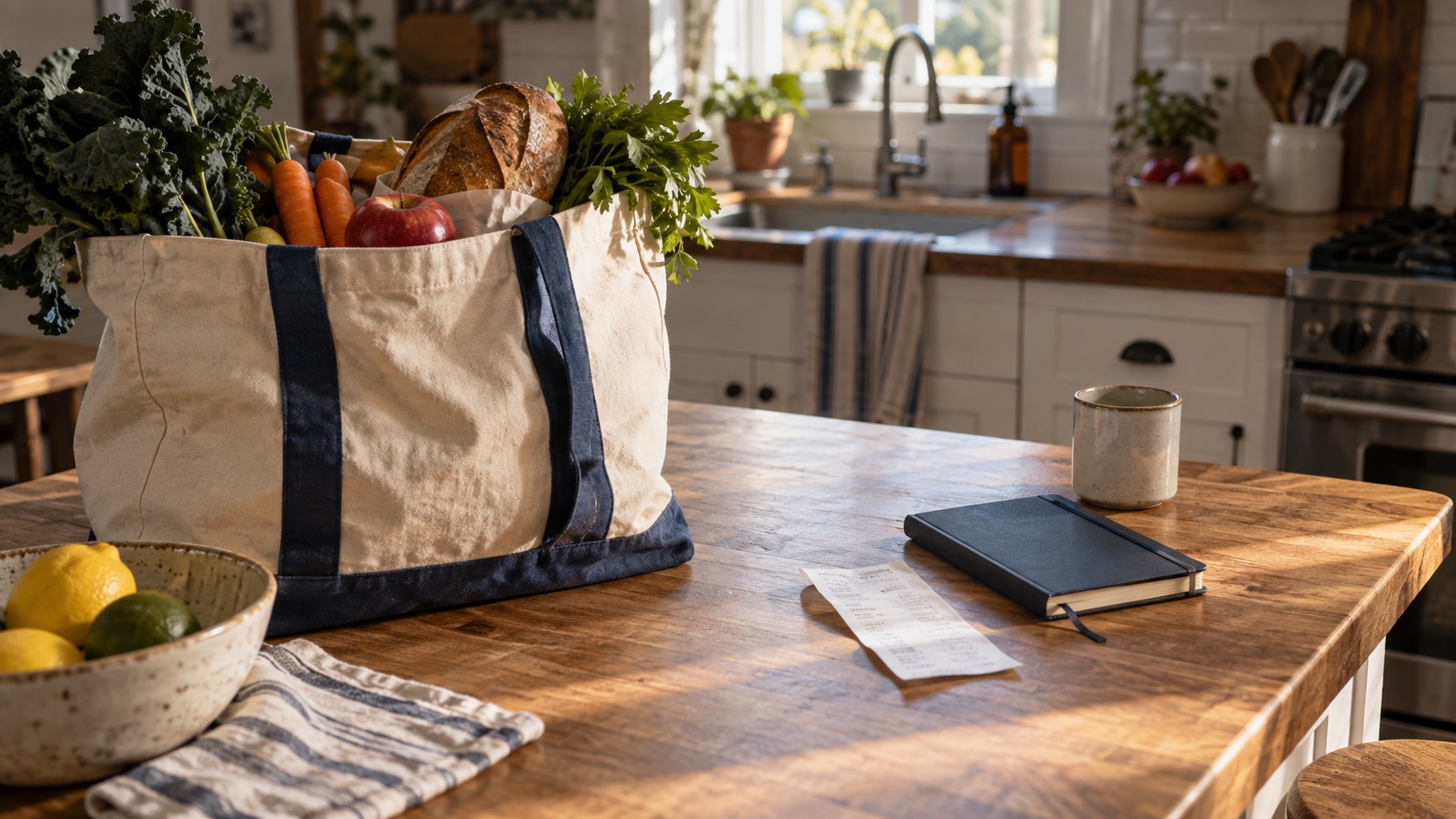
A higher checkout total can come from what you bought as well as from prices. Compare similar quantities and products across receipts. More guests, different foods, fewer meals at home last month, or a bulk purchase can raise the bill without representing a like-for-like price increase.
Look at unit price when package sizes differ. A $4 product in a smaller package may have become more expensive per ounce even if the shelf price stayed unchanged. BLS handles this in the CPI as well: when a 64-ounce container of orange juice is replaced by a 59-ounce one, BLS either selects a new item or records the quantity change.
Compare periods of the same length, since five weekly shopping trips in one calendar month versus four in another can create a misleading monthly comparison.
A consistent sample of common purchases is enough to identify what changed. For a reference point, BLS publishes U.S. average prices each month for select food items, along with some utility and fuel items, and publishes regional averages when the sample is large enough.
Decide whether the problem is prices, quantity, or the whole budget
Suppose your usual food plan cost $500 and now costs $550. That is a $50 monthly change to fund or offset.
If take-home pay rose $30 during the same period and nothing else changed, your margin is $20 lower. If rent rose too, the grocery aisle is only one part of the pressure.
Use the raise-and-budget guide to compare the combined changes, and the CFPB’s spending review, which suggests looking back over several months and sorting expenses into categories, to see which lines moved.
Make changes where they actually save money
Reducing food waste, comparing unit prices, and planning around what you use can help. A larger package only saves money if you consume it before it spoils and can afford the upfront cost.
Switching stores also has transport and time costs. A distant trip for a small discount may not help your household overall.
Set the food line from current receipts rather than an old price level, and update it as your costs move.
Run a monthly receipt check
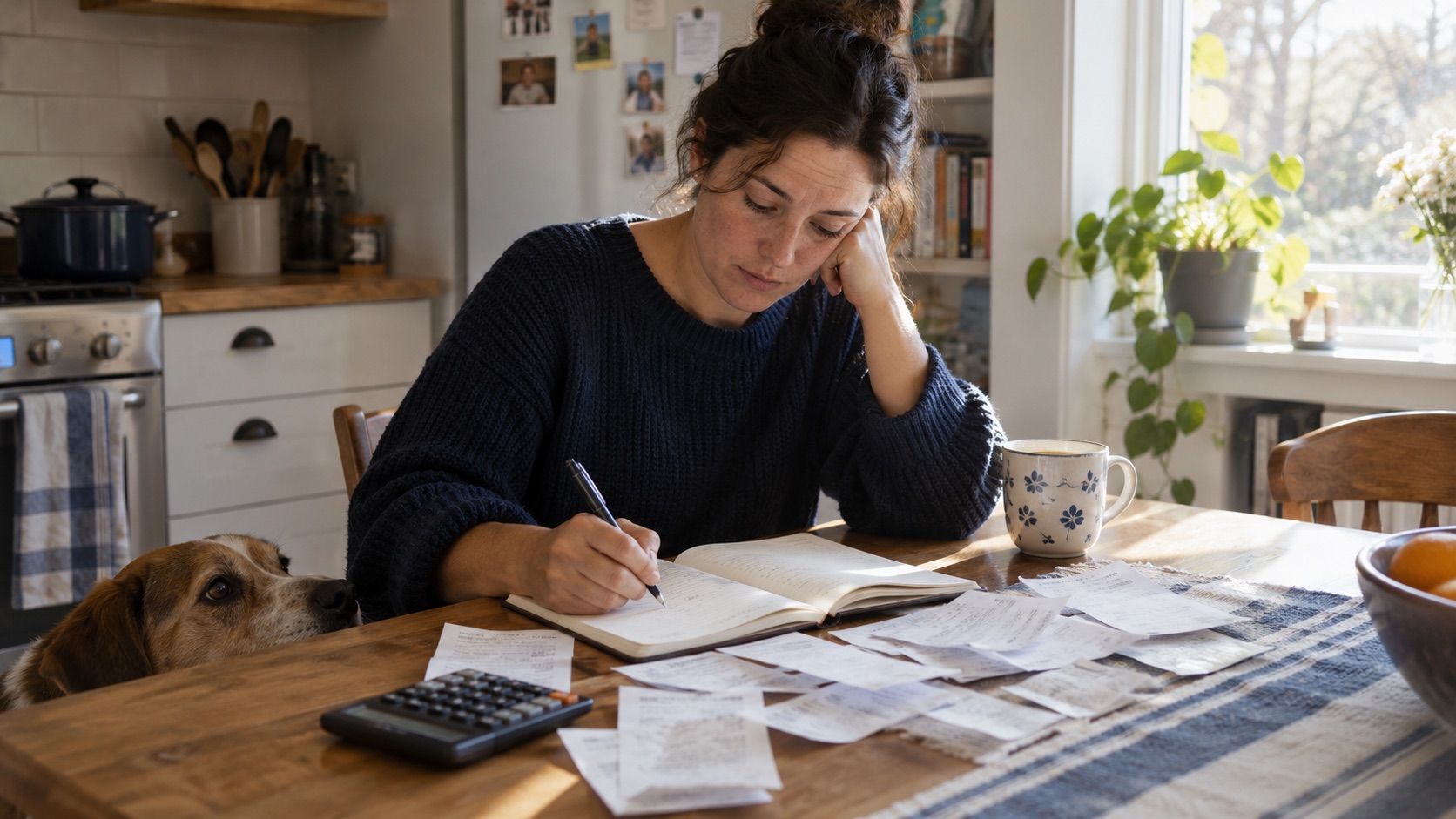
Once a month, total your food receipts over the same number of weeks, compare the unit prices of the items you buy most often, and set next month’s food budget from that total and your current take-home pay.
Sources checked October 5, 2026. All worked examples are illustrative, not survey estimates. General financial education, not individualized financial advice.